
Like a steady hand at your side, the right mobility support can make daily movement feel less intimidating in 2027. You’ll want options that emphasize comfort and ease—think lightweight folding walkers, joint support that fits your routine, and stability aids for tricky changes. As you compare these five picks, you’ll notice design choices that affect balance, convenience, and everyday safety—so picking the wrong one could cost you more than you expect.
Great Points
- Choose a lightweight, foldable walker like Drive Medical’s two-button model for easy transport and comfortable, stable hallway navigation.
- Consider joint-support supplements such as LifeSeasons Mobili-T to promote smoother movement using MSM, chondroitin, collagen, glucosamine, and turmeric.
- Use an adjustable assist rail with a wide non-slip base for reliable support at personalized heights on flat, firm surfaces.
- Improve safety during vehicle entry and exit with a portable grab bar like Able Life, offering non-slip stability and up to 300 lbs support.
- Opt for a rollator with seat and brakes, such as Medline’s model, for comfortable resting and secure mobility with smooth wheel travel.
| Drive Medical Two-Button Folding Walker with Wheels Height Adjustable | 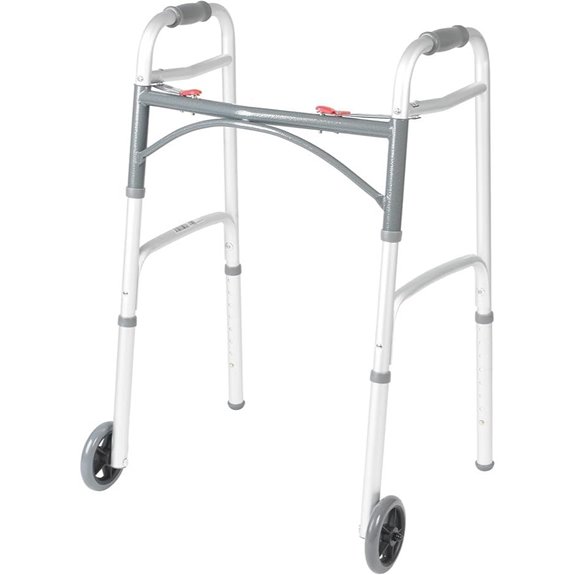 | Best Lightweight Walker | Mobility aid category: Folding walker | Support for comfort: Stability support | Weight capacity: 350 lb | VIEW LATEST PRICE | Read Our Analysis |
| LifeSeasons Mobili-T Joint Support Supplement for Men & Women 120 Capsules | 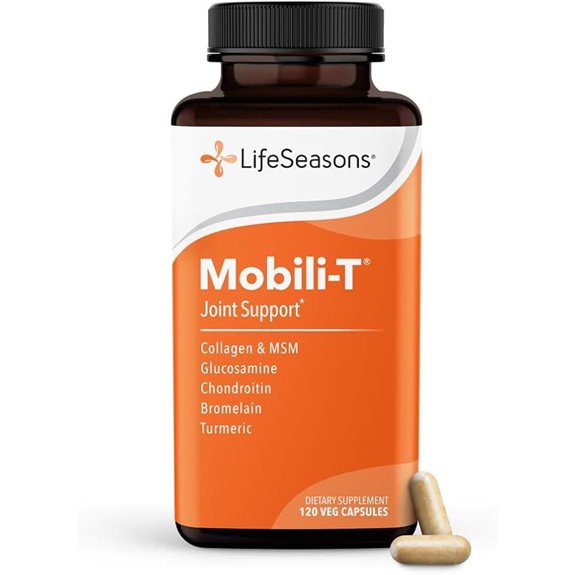 | Joint Care Supplement | Mobility aid category: Joint supplement (mobility support) | Support for comfort: Discomfort relief | Weight capacity: N/A | VIEW LATEST PRICE | Read Our Analysis |
| Height Adjustable Couch Toilet Assist Rail for Seniors | 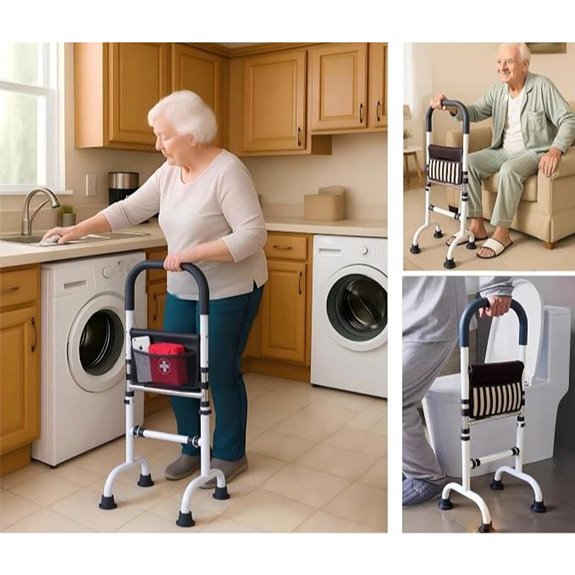 | Stable Home Assist Rail | Mobility aid category: Toilet assist rail | Support for comfort: Stable standing support | Weight capacity: 350 lb | VIEW LATEST PRICE | Read Our Analysis |
| Able Life Portable Vehicle Support Grab Bar | 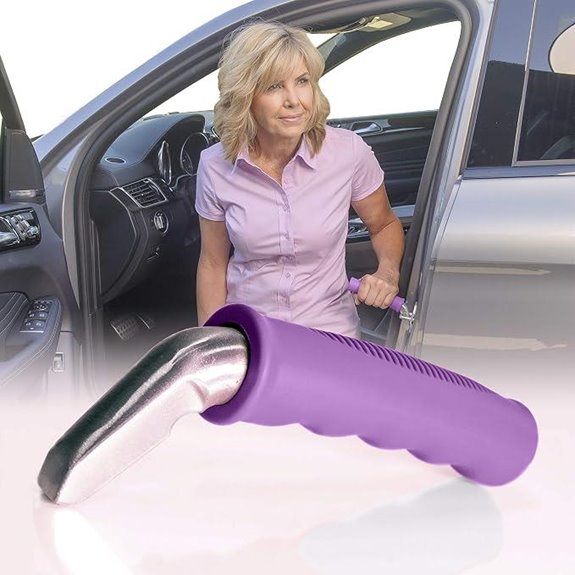 | Best Portable Car Grab Bar | Mobility aid category: Vehicle grab bar | Support for comfort: Balance during sit-to-stand | Weight capacity: 300 lb | VIEW LATEST PRICE | Read Our Analysis |
| Medline Rollator Walker with Seat Burgundy | 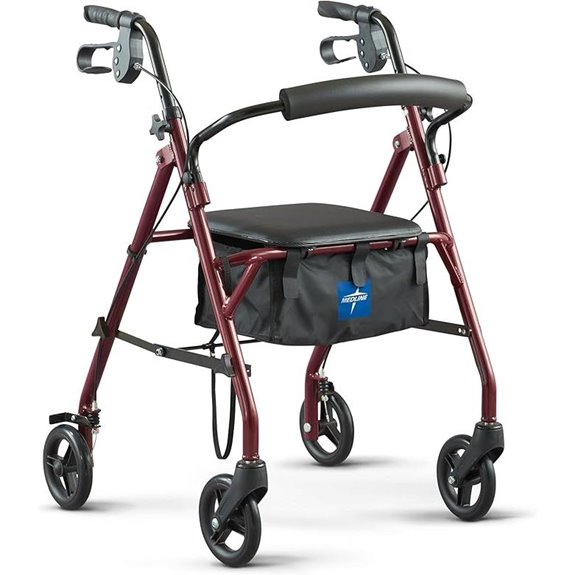 | Best Rollator With Seat | Mobility aid category: Rollator walker | Support for comfort: Comfort with seat/backrest | Weight capacity: 350 lb | VIEW LATEST PRICE | Read Our Analysis |
More Details on Our Top Picks
Drive Medical Two-Button Folding Walker with Wheels Height Adjustable
If you need a best lightweight walker that folds easily and adjusts for your height, the Drive Medical Two-Button Folding Walker is a smart pick. You get height adjustability plus durable, lightweight aluminum that supports up to 350 lb. For everyday stability, you use dual push-button releases to fold and deploy with control. The 5-inch wheels roll smoothly forward, while rear glide caps help you move across carpet, tile, and outdoor surfaces. You also navigate tighter spaces with ease, making it a practical choice for narrow hallways. Drive Medical designs innovative solutions to help you move more comfortably.
- Mobility aid category:Folding walker
- Support for comfort:Stability support
- Weight capacity:350 lb
- Adjustable height:Yes
- Portability / foldability:Folds (two-button)
- Non-slip / grip safety:Rear glide caps
- Additional Feature:Dual push-button releases
- Additional Feature:5-inch rolling wheels
- Additional Feature:Rear glide caps
LifeSeasons Mobili-T Joint Support Supplement for Men & Women 120 Capsules
Get fast relief with LifeSeasons Mobili-T, a joint care supplement designed for men and women who want smoother, more comfortable movement. You take 120 capsules to support freer joint motion and help moisturize joints for improved mobility. This formula backs cartilage and collagen synthesis using natural ingredients like MSM, Chondroitin, collagen, glucosamine, and turmeric. You use four capsules daily—two in the morning and two in the evening—with food. For your personalized serving size, you should check with your healthcare provider. It’s gluten- and dairy-free, rigorously tested for purity and potency.
- Mobility aid category:Joint supplement (mobility support)
- Support for comfort:Discomfort relief
- Weight capacity:N/A
- Adjustable height:N/A
- Portability / foldability:Travel capsules
- Non-slip / grip safety:N/A
- Additional Feature:MSM, chondroitin blend
- Additional Feature:Four capsules daily
- Additional Feature:Gluten & dairy-free
Height Adjustable Couch Toilet Assist Rail for Seniors
A stand assist aid with adjustable height (30–36 inches) gives you a stable home assist rail for safer sit-to-stand moments. You get a four-point, wide non-slip base with soft rubber caps, so it grips hardwood, tile, and concrete. This mobility aid supports up to 350 lbs and weighs just 5 lbs, so it feels easy to use and move. You adjust the padded handle for a comfortable, non-slip grip, then set it up in three tool-free steps. Use it in the bathroom, kitchen, or bedroom as an alternative to permanent grab bars—on flat, firm surfaces only.
- Mobility aid category:Toilet assist rail
- Support for comfort:Stable standing support
- Weight capacity:350 lb
- Adjustable height:30–36 in
- Portability / foldability:Portable rail
- Non-slip / grip safety:Non-slip base
- Additional Feature:Four-point non-slip base
- Additional Feature:Three-step tool-free setup
- Additional Feature:Double-sided storage pouch
Able Life Portable Vehicle Support Grab Bar
The Able Life Portable Vehicle Support Grab Bar helps you steady yourself during sit-to-stand. You get an ergonomic, non-slip handle that feels comfortable while you shift positions. This portable assist handle weighs just 0.35 pounds, so you can keep it in your glove box, door compartment, or purse. It fits most vehicles by inserting into a U-shaped door striker or latch—no modifications required. When standing or sitting from the car, it helps prevent falls and supports up to 300 pounds for everyday reliability. Choose Blue, Lavender, or Red.
- Mobility aid category:Vehicle grab bar
- Support for comfort:Balance during sit-to-stand
- Weight capacity:300 lb
- Adjustable height:N/A
- Portability / foldability:Lightweight grab bar
- Non-slip / grip safety:Non-slip grip handle
- Additional Feature:Fits vehicle door striker
- Additional Feature:Glove box travel storage
- Additional Feature:Ergonomic non-slip grip
Medline Rollator Walker with Seat Burgundy
For seniors who need a place to rest, the Medline rollator walker with seat keeps you supported on the go. You’ll appreciate the durable steel frame in burgundy, plus an adjustable handle height from 31 to 35 inches that fits you comfortably. When fatigue hits, you sit on the padded 12×12-inch seat with a backrest for real support. For everyday convenience, you fold it for easy transport and storage. Under-seat space helps you carry essentials. Smooth movement comes from 6-inch wheels, while brake handles let you push up to break or push down to lock. It holds up to 350 lbs.
- Mobility aid category:Rollator walker
- Support for comfort:Comfort with seat/backrest
- Weight capacity:350 lb
- Adjustable height:31–35 in
- Portability / foldability:Folds for transport
- Non-slip / grip safety:Brake handles (locking safety)
- Additional Feature:Padded seat and backrest
- Additional Feature:Brake handles with lock
- Additional Feature:Under-seat storage space
Factors to Consider When Choosing Mobility Support
When you choose mobility support, start by checking wheel type and traction so you stay steady on sidewalks and indoor floors. Make sure the height adjustment range and weight capacity limits fit you comfortably, then verify portability and storage options match your lifestyle. Finally, look for safety features like reliable braking so you can stop confidently.
Wheel Type And Traction
Choosing the right wheel type and traction helps your mobility aid move safely and with less effort. Wheel size matters: larger wheels (like 6 inches) roll over uneven surfaces more smoothly than smaller ones, which can struggle on rough terrain. For safety, prioritize grip—textured wheel surfaces or rubber materials help you avoid slips on wet or slippery ground. You’ll also benefit from smart wheel layout: swivel front wheels improve maneuverability for tight spaces, while fixed rear wheels add stability. If you want less fatigue, choose smooth-rolling wheels that glide over carpet and tile with minimal resistance. Finally, keep wheels performing by checking wear and cleaning them regularly, so your mobility aid lasts longer and stays reliable.
Height Adjustment Range
A mobility aid’s height adjustment range matters because it determines how well the device fits your body and supports safe, comfortable use. When you choose, look for adjustable settings that accommodate your height, often around 30 to 36 inches for items like assist rails. Set the height so you maintain a slight bend in your elbows when you grip—this reduces strain and helps you move more easily. Proper height settings also improve stability and safety, especially during sit-to-stand shifts, where poor positioning can increase the risk of falls. Take your own height and any specific health needs into account, then fine-tune the adjustment before daily use.
Weight Capacity Limits
Weight capacity limits are one of the most important specs you should check before using a mobility support device. You need an aid that can handle your weight for stability and safety—many reliable options support about 300 to 350 pounds. If you exceed the stated limit, you can weaken the device’s structural integrity, which raises the risk of accidents or injuries. Always compare your current weight to the manufacturer’s maximum rating, not a guess, so you get peak performance every time. Manufacturers test their products to determine those limits, and that testing is what you can trust for durability. Understanding capacity also helps you choose the right assistive device that meets safety standards.
Portability And Storage Options
When you evaluate portability and storage options for mobility support aids, you should prioritize practical features that make daily transport easier and setup faster. Choose models that stay lightweight, ideally under 5 lbs, so you can handle them confidently. Look for foldable designs that collapse tightly to minimize space in closets or car trunks. Verify compact dimensions so the aid can fit in a glove box or purse for quick access during travel. You’ll also want tools-free assembly and disassembly, since simple changes save time and effort. Finally, confirm the weight capacity matches your needs while preserving portability, so you get comfort without sacrificing reliability.
Safety Features And Braking
After you’ve narrowed your choices based on portability and storage, focus on safety features—especially braking. Prioritize mobility support with effective, easy-to-use hand brakes that help you stay stable and prevent accidents. Look for non-slip grips and a stable base so you reduce the risk of falls on different surfaces. Choose models with adjustable height to support proper ergonomics; when your posture stays aligned, you maintain balance better while standing or sitting. Wide, stable bases also matter because they lower tipping risk, which is essential if you struggle with equilibrium. Finally, select aids with reflectors or bright colors to improve visibility, making it easier for caregivers and others to notice you in different environments.
Common Questions
Which Mobility Support Option Best Reduces Fall Risk During Daily Routines?
The best mobility support option that most reduces fall risk during daily routines is a properly fitted walker or rollator, because it increases stability and provides consistent hand support. You should choose the right height, keep wheels locked when needed, and use anti-slip grips. If you need safer transfers, add a sturdy grab bar near toilets and showers. You’ll reduce tripping and improve balance by practicing with it regularly.
Are Mobility Supports Safe to Use on Uneven Surfaces or Thresholds?
Yes, many mobility supports are safe on uneven surfaces or thresholds—but you need to choose the right one and use it correctly. You should select a device with good tread, stable legs, and adjustable height, then move slowly and test the step first. You should avoid rushing, pivoting sharply, or carrying loads while stepping. If the surface feels unstable, you should use rails, ask for help, or choose alternate routes.
How Do I Choose the Correct Height Adjustment for My Body Size?
Choose the right height adjustment by measuring your body and testing the fit. First, sit or stand in your normal position and keep your feet flat, knees about 90°. Then adjust until elbows rest comfortably at about hip height and your weight feels evenly supported. Don’t let you hunch or reach. If you feel pressure in your wrists, thighs, or back, lower or raise the support in small increments and reassess.
Can Mobility Supports Be Used Alongside Physical Therapy Exercises Safely?
Yes, you can use mobility supports alongside physical therapy exercises safely, as long as you coordinate with your clinician. Start by confirming the support fits your needs and doesn’t change your exercise form. Wear it only when it helps you move with proper posture and reduce pain. Follow your PT’s weight-bearing and timing instructions, and stop if you feel sharp pain, numbness, or swelling. Reassess fit often, especially as you get stronger.
What Maintenance Steps Prevent Wear and Ensure Long-Term Comfort?
“An ounce of prevention is worth a pound of cure.” You prevent wear by inspecting your mobility support weekly for loose screws, worn pads, or frayed straps, then tightening or replacing parts fast. You keep moving surfaces clean and dry to stop grit buildup, and you lubricate hinges only with manufacturer-approved products. You store it out of harsh weather, avoid overloading, and adjust fit as your needs change. Regular checkups help you stay comfortable long-term.
Overall
As you weigh these 2027 mobility picks, choose what fits your day like a well-worn glove. Go for comfort, easy handling, and support that feels steady—not restrictive. Think about how you move at home, then ask whether each option helps you travel, sit, and stand with less strain. When you get the right balance of tools and care, you don’t just move—you reclaim freedom, one confident step at a time.