
Coincidentally, you might notice soreness shows up right after your toughest sessions, just when you need to bounce back. If that’s you, you’ll want options that target deep tissue, trigger points, cold relief, and everyday muscle support. In the next sections, you’ll compare the YANSYI 9-Roller stick, lacrosse balls, an ice roller, PR sports lotion, and a mess-free Biofreeze dry stick—then you’ll see what really matters before you choose.
Great Points
- Use a 9-roller deep tissue massage stick for portable, knot-focused compression that can speed recovery and reduce post-workout soreness.
- Add firm lacrosse balls for targeted trigger-point myofascial release, helping relieve muscle knots while improving flexibility.
- Try an ice roller ball for localized cold therapy to calm soreness quickly, with hours of chill from a short freezer period.
- Apply menthol pain relief gel sticks for fast, mess-free cooling comfort on acute aches and strains during high-discomfort days.
- Balance quick pain relief with active recovery within 30 minutes post-workout for better muscle repair and reduced DOMS.
| YANSYI 9-Roller Deep Tissue Massage Stick (Blue) | 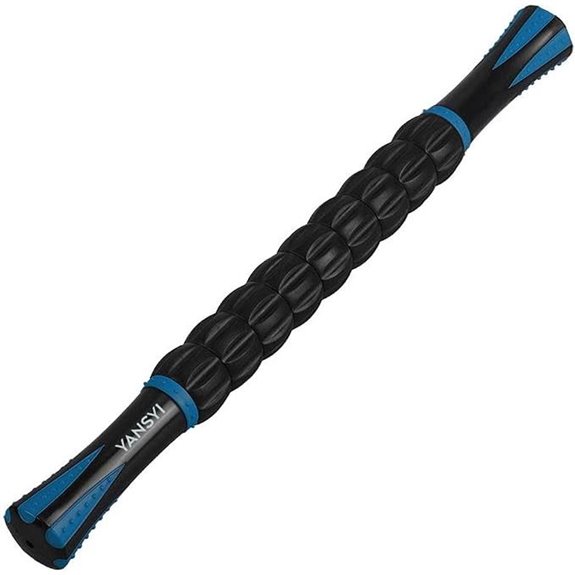 | Best Deep-Tissue Tool | Recovery use: Post-workout recovery | Body targeting: Muscle groups (legs/back) | At-home/self-use: Use at home or gym | VIEW LATEST PRICE | Read Our Analysis |
| Massage Lacrosse Balls Set of 2 Firm | 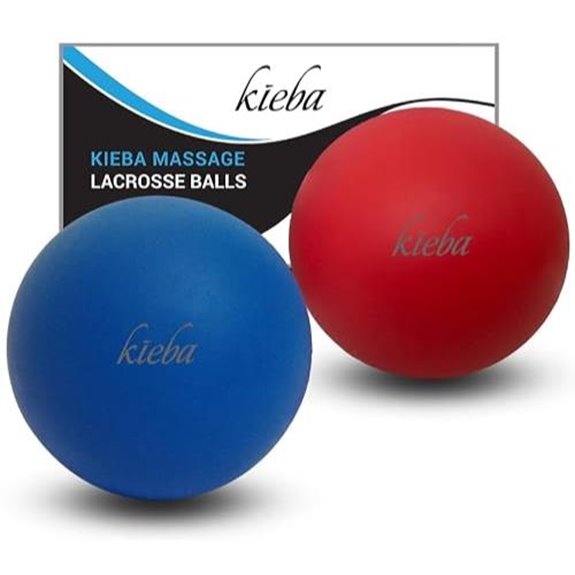 | Best Trigger-Point Relief | Recovery use: Myofascial release/trigger points | Body targeting: All body areas | At-home/self-use: Self myofascial release | VIEW LATEST PRICE | Read Our Analysis |
| Phyya Rehab Massage Ice Roller Ball for Muscles | 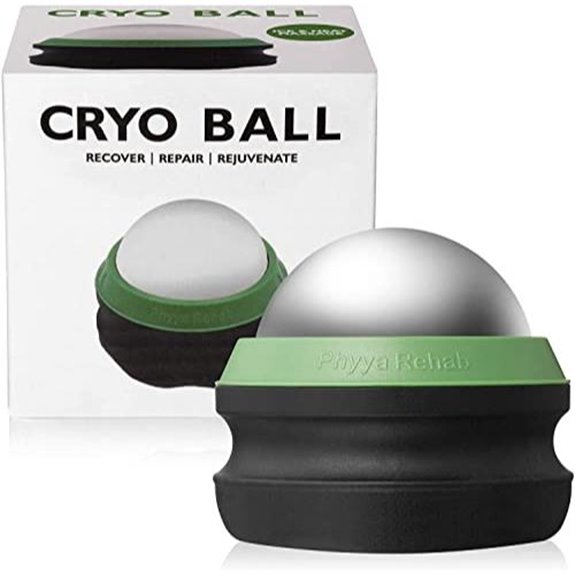 | Best Cold Therapy Option | Recovery use: Cold therapy recovery | Body targeting: Any body part | At-home/self-use: Easy home self-freeze use | VIEW LATEST PRICE | Read Our Analysis |
| Amp Human PR Sports Lotion Natural Sodium Bicarbonate 300g Bottle | 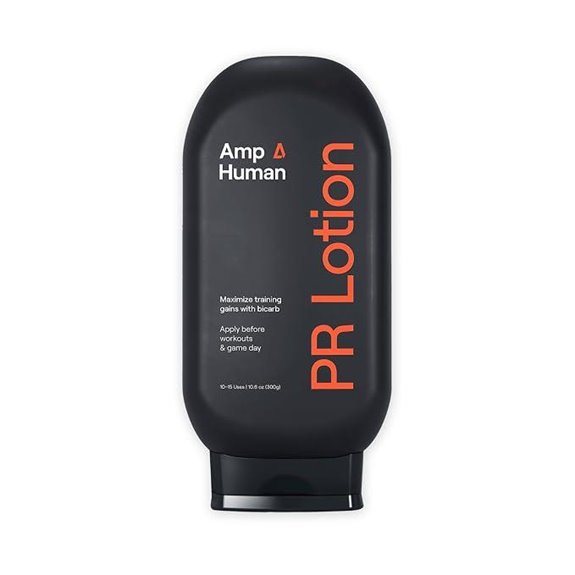 | Best Workout Recovery Lotion | Recovery use: Workout performance & soreness support | Body targeting: Multiple sports muscles | At-home/self-use: Rub-on application | VIEW LATEST PRICE | Read Our Analysis |
| Biofreeze Dry Stick Mess-Free Pain Relief | 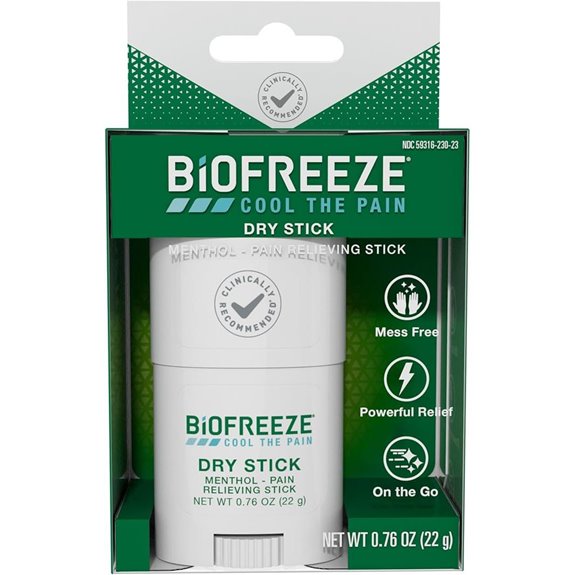 | Best Mess-Free Pain Relief | Recovery use: Pain relief for muscles/joints | Body targeting: Neck/shoulder/knee/hip/joints | At-home/self-use: Self-apply portable stick | VIEW LATEST PRICE | Read Our Analysis |
More Details on Our Top Picks
YANSYI 9-Roller Deep Tissue Massage Stick (Blue)
Meet the YANSYI 9-Roller Deep Tissue Massage Stick (Blue), a compact deep-tissue tool built for athletes. You use it as a portable physio option to speed recovery at home, the gym, or while traveling. The 9 independently rotating rollers deliver concentrated deep compression, so you can work through muscle knots and fascia adhesions. After training, you roll your legs and back to relieve post-workout soreness, reduce lingering pain, and improve recovery speed. Add it to your pre- and post-exercise routines, and target multiple muscle groups with focused, controlled sessions.
- Recovery use:Post-workout recovery
- Body targeting:Muscle groups (legs/back)
- At-home/self-use:Use at home or gym
- Portable option:Lightweight to carry
- Pain/soreness relief:Relieves post-workout soreness
- Non-invasive technique:Manual rolling/compression
- Additional Feature:9 independently rotating rollers
- Additional Feature:Deep compression for fascia
- Additional Feature:Targets muscle knots
Massage Lacrosse Balls Set of 2 Firm
Firm 2-pack massage lacrosse balls give you targeted, trigger-point relief when you need it most. You use the firm Kieba SM-0700 pair for self myofascial release, easing muscle knots and stubborn tension fast. Lean on the balls and let your body weight and gravity do the work—whether you’re sitting, lying down, or on your yoga mat. These balls support sore, tight muscles across all body areas with focused trigger point therapy. Made from 100% solid rubber, they resist chemical odor and won’t stain walls. Even better, they double as a tough chew toy and fetch ball for pets.
- Recovery use:Myofascial release/trigger points
- Body targeting:All body areas
- At-home/self-use:Self myofascial release
- Portable option:Easy to use anywhere
- Pain/soreness relief:Relieves tight, sore muscles
- Non-invasive technique:Manual ball pressure/gravity
- Additional Feature:100% solid rubber build
- Additional Feature:Trigger point therapy focus
- Additional Feature:Also serves as pet toy
Phyya Rehab Massage Ice Roller Ball for Muscles
The Phyya Rehab Massage Ice Roller Ball delivers an easy, targeted cold therapy approach. You freeze it for about 2 hours, then enjoy up to 6 hours of cold relief that soothes sore muscles and helps reduce inflammation. Roll it over any body part for recovery and relaxation, customizing your session with or without the grip. Its 3.15-inch compact size stores easily and travels well, so you can use it after workouts at home or on the go. You’ll appreciate the simple freezing process and user-friendly design.
- Recovery use:Cold therapy recovery
- Body targeting:Any body part
- At-home/self-use:Easy home self-freeze use
- Portable option:Compact on-the-go storage
- Pain/soreness relief:Soothes sore muscles/reduces inflammation
- Non-invasive technique:Cold roller massage
- Additional Feature:Cold therapy up to 6 hours
- Additional Feature:Freezing-based user process
- Additional Feature:Grip/no-grip dual use
Amp Human PR Sports Lotion Natural Sodium Bicarbonate 300g Bottle
Amp Human PR Sports Lotion delivers natural sodium bicarbonate in a convenient 300g rub-on, built for your training and recovery routine. You apply it to get natural electrolyte and bicarb delivered through your skin, so you can push harder. Use it before workouts to support training benefits and boost performance during sessions. Over time, this lotion helps reduce muscle soreness and discomfort, making recovery feel more manageable. It fits road running, training, cycling, trail running, and even swimming, so you can stay consistent across sports.
- Recovery use:Workout performance & soreness support
- Body targeting:Multiple sports muscles
- At-home/self-use:Rub-on application
- Portable option:Practical bottle for training
- Pain/soreness relief:Reduces muscle soreness over time
- Non-invasive technique:Topical rub-on lotion
- Additional Feature:Natural sodium bicarbonate
- Additional Feature:Electrolytes via skin absorption
- Additional Feature:Apply before workouts
Biofreeze Dry Stick Mess-Free Pain Relief
Biofreeze Dry Stick delivers menthol cooling you can take anywhere, for best mess-free pain relief. You apply it directly on dry, clear skin—no greasy mess, no cleanup. It’s pocket-sized and TSA-friendly, so you can target neck, shoulder, knee, hip, hand, and joint discomfort after training. The fast-acting menthol stimulates cold receptors and helps block pain signals from reaching your brain, easing backaches, arthritis, strains, bruises, and sprains. You’ll get about 100 uses per stick, too. Chiropractors and athletic trainers recommend it, and it’s free of NSAIDs, ibuprofen, aspirin, and salicylate.
- Recovery use:Pain relief for muscles/joints
- Body targeting:Neck/shoulder/knee/hip/joints
- At-home/self-use:Self-apply portable stick
- Portable option:Pocket-sized/TSA-friendly
- Pain/soreness relief:Cooling relief for aches/strains/sprains
- Non-invasive technique:Topical menthol stick application
- Additional Feature:Menthol cooling, dry application
- Additional Feature:Pocket-sized TSA-friendly format
- Additional Feature:No NSAIDs/ibuprofen/aspirin
Factors to Consider When Choosing Sports Recovery
When you pick a sports recovery option, consider whether you need targeted muscle relief or whole-body recovery. Choose heat or cold based on your soreness and timing, then match depth pressure to what feels effective without going numb or uncomfortable. Also check for safe, skin-friendly ingredients, and pick something easy enough to use and carry so you’ll actually stay consistent.
Targeted Muscle Vs Whole-Body
Choosing between targeted muscle recovery and whole-body recovery comes down to what your body needs right now. If you’re dealing with a specific strain or a stubborn spot of tension, you’ll benefit from targeted work—like massage balls or sticks—because you can apply more intense pressure where knots and tight fascia show up. This helps you get quick, localized relief. If you feel generally wiped out, whole-body options like foam rolling, massage therapy, stretching, or yoga can promote relaxation, boost circulation, and reduce systemic fatigue across multiple muscle groups. The best move is often to blend both: tackle your pain point directly, then use whole-body techniques to restore flexibility and overall readiness.
Heat Or Cold Recovery Choice
After you’ve decided whether you need targeted work or whole-body recovery, use the next tool—heat or cold—to match what your muscles are telling you. If you just finished an intense session and soreness or inflammation is showing up, choose cold recovery like ice therapy; it can reduce soreness for up to 6 hours after application. If you feel tight, sluggish, or you want better readiness, go with heat to boost blood flow and relax those muscles—especially before training. Timing matters: use cold for acute issues, and heat for chronic tension. You can also combine them: apply cold right after activity, then use heat later to ease stiffness. Finally, listen to your body and preferences, because athletes respond differently.
Depth Pressure And Sensation
Depth pressure can make or break your recovery—use it intentionally. When you apply deeper pressure, you can relax muscles more effectively and reach stubborn knots that lighter contact misses. As you work, monitor sensation closely: if pressure feels excessive, you may trigger discomfort or pain instead of healing. With the right amount, you stimulate blood flow and support recovery. Deep tissue massage is a good example, because it uses varying pressure levels to target deeper layers and address underlying issues. Still, you’re not one-size-fits-all—your sensitivity matters. Adjust pressure until it feels challenging but tolerable. When you feel genuine relief, you’ll boost the psychological side of recovery, too, and stay motivated to train again.
Ease Of Use And Portability
When you’re pressed for time or traveling, ease of use and portability become just as important as how well a recovery tool works. Choose lightweight, compact options that fit in your gym bag or carry-on without hassle. Prioritize user-friendly mechanisms that need little setup—apply and go instead of wrestling with complicated steps. If you want to stay consistent, pick mess-free formats that feel dry or non-greasy so you avoid cleanup between sessions. Multi-functional tools that work on different body parts and in home, office, or gym settings add real practicality. Finally, make self-care simple: look for products you can operate one-handed or independently, so you get recovery done whenever pain shows up.
Ingredient Safety And Sensitivity
Ingredient safety matters because your skin and body can react differently to recovery formulas. When you pick sports recovery products, scan labels for common allergens like gluten, dairy, and nuts, especially if you’re sensitive. Choose options marked hypoallergenic or dermatologically tested to reduce irritation risk. Next, watch for synthetic additives or preservatives—some can trigger discomfort or reactions. If you want gentler relief, consider natural ingredients such as sodium bicarbonate or menthol, but still check that your body tolerates them. For any new topical recovery product, do a patch test first. Apply it to a small area, monitor how you feel over time, and only then expand use across larger body areas.
Post-Workout Vs Pre-Workout Timing
Timing matters, because you’ll get different benefits from recovery before versus after training. Before you train, use pre-workout recovery techniques like dynamic stretching and foam rolling to increase blood flow and prime your muscles for performance. You prepare your body so movement feels smoother and less restricted. After you train, prioritize post-workout recovery to support repair: deep tissue massage can ease soreness, while cold therapy can curb inflammation and help you bounce back faster. You also should act quickly—do recovery within 30 minutes after exercise to improve muscle repair and reduce DOMS. If you want immediate relief, use active recovery such as light aerobic work or targeted massage to clear lactic acid. Tailor choices to your fitness level and exercise intensity.
Pain Relief Versus Knot Release
After training, you’ll often face a choice between pain relief and knot release—two strategies that feel similar but target different problems. Pain relief methods, like topical analgesics, give immediate cooling sensations that calm muscle and joint pain fast; menthol activates cold receptors to reduce that discomfort. Knot release tools, such as massage devices, go after muscle knots and fascia adhesions, helping restore blood flow and flexibility. If you need quick comfort, start with pain relief, but don’t ignore underlying tension. For better long-term recovery, you’ll often combine both: pain relief to manage symptoms and knot release to reduce soreness after workouts. Choose based on your needs—some days you prioritize speed, other days you prioritize mobility.
Common Questions
How Soon After Training Can I Use Recovery Tools?
You can use most recovery tools right after training, but timing depends on the goal. For cooling down, start within 0–10 minutes. For light mobility, use it within 10–30 minutes. For compression or an ice bath, start within 10–60 minutes if you feel sore. For heat or sauna, wait 1–2 hours or the same day if you’re tight, not acutely injured. Always hydrate and prioritize sleep.
Are Massage Sticks Safe for Injuries or Only for Soreness?
Massage sticks can help for soreness, but you should use them carefully for injuries. If you have sharp pain, swelling, bruising, or a suspected strain, don’t push through it. For minor tightness, use light to moderate pressure, keep the stick on muscle—not joints or bones—and limit sessions to 5–10 minutes. Stop if pain worsens or you feel numbness. When in doubt, ask a clinician first.
What’s the Difference Between Ice Rollers and Cold Compression?
Ice rollers and cold compression both chill tissues, but they feel different. Ice rollers glide and numb superficially; cold compression squeezes while cooling, which can help limit swelling. Imagine winter slush on your boots: a roller lets you step through lightly, while a tight boot traps the cold and reduces “puffiness.” In practice, use rollers for quick soreness after workouts and compression for targeted swelling, then let your skin warm back up naturally.
Can Sports Lotion With Sodium Bicarbonate Help Muscle Cramps?
Sports lotion with sodium bicarbonate might help soothe mild cramps by slightly reducing local irritation, but it usually won’t fix the real causes, like dehydration, low electrolytes, or overuse. You’re more likely to benefit from rehydrating, replacing sodium/potassium, and gentle stretching. If you use the lotion, apply it to intact skin and stop if you get redness or burning. Persistent cramps, weakness, or swelling mean you should see a clinician.
How Often Should I Repeat Foam Rolling or Lacrosse Ball Work?
You should repeat foam rolling or lacrosse ball work 3–5 times per week, not every day at max intensity. For each area, roll 30–90 seconds, then switch spots. Use moderate pressure—sharp pain means back off. After workouts, you can do it once for 5–10 minutes total; on rest days, keep it shorter. If you’re sore, reduce time and frequency.
Overall
Now you’ve got five fast-acting recovery must-haves: massage, moisture, and mess-free relief, all working in sync. When you choose, consider your body’s needs—tight muscles, sore spots, or inflammation—and match the tool to the task. Go with what fits your routine, budget, and comfort, then stay consistent. With the right recovery options, you’ll bounce back quicker, train harder, and feel better—day after day.