
Looking for a steadier CBD experience without dealing with the hassle of oils, capsules, or gummies? A CBD health patch may be the solution. Instead of relying on swallowing or ingesting, a transdermal patch delivers CBD through your skin for controlled absorption—aimed at helping you maintain a more consistent routine day to day.
In this guide, you’ll learn how CBD patches work, what to expect from transdermal delivery, and how to choose a starting strength based on your goals and tolerance. Since everyone’s body and medication mix is different, it’s especially important to consider interactions and proper dosing before you begin—so you can use CBD more confidently from the start.
Great Points
- Health Patch CBD delivers CBD through clean, dry skin using transdermal technology for controlled, steady absorption.
- It uses oil-free, patch-only dosing—no oils, capsules, or gummies—so there’s no taste or GI variation.
- CBD permeates gradually over time, helping provide longer-lasting, more consistent exposure than quick-acting options.
- Apply to the upper arm, shoulder, or chest on unbroken, hair-minimized skin, and rotate sites to reduce irritation.
- Start with the lowest effective patch strength, titrate gradually, and monitor skin reactions or fatigue for dose adjustments.
How Health Patch CBD Delivers Cannabinoids
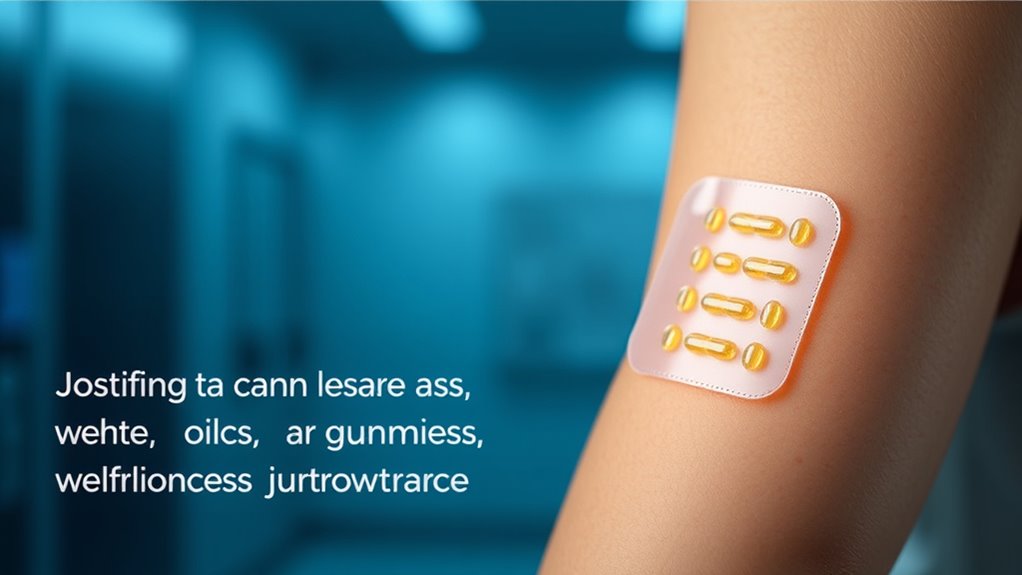
Once your Health Patch CBD is applied to clean, dry skin, it delivers cannabinoids through the skin’s outer barrier at a controlled rate—so you’re not relying on pills or inhalation for uptake. This transdermal delivery system uses the patch to maintain a steady concentration at the skin surface, which can support more consistent cannabinoid absorption over time. As the cannabinoids diffuse into the upper layers of skin, they enter local tissues and, in turn, may reach circulation based on your skin condition, placement, and patch wear time. Your response is individualized: factors like hydration, barrier integrity, and sensitivity can influence how you experience relief. Evidence suggests controlled diffusion and permeability are key determinants of cannabinoid absorption, not shortcuts or rapid dosing.
What “CBD Without Oils, Capsules, or Gummies” Means
If you’re looking for “CBD without oils, capsules, or gummies,” an oil-free CBD patch uses a patch-only dose delivery method to help you avoid taking CBD by mouth. Your experience depends on how much CBD is in the patch and how consistently you wear it, since wearable delivery is absorbed through your skin over time. When you start, you’ll want to track your individual response—like comfort, sleep, or anxiety changes—and adjust with your clinician if needed.
Understanding Oil-Free CBD Patches
Oil-free CBD patches are designed to deliver cannabidiol through your skin without relying on oils, capsules, or gummies. You place the patch on clean skin, and the product uses transdermal technology to support steady cannabinoid absorption at the local level. Because there’s no ingesting, you may feel less concern about taste, swallowed dosing, or GI variation.
- Skin contact matters: moisturizer, cuts, and irritation can affect uptake.
- Timing varies: absorption often depends on wear time and your skin barrier.
- Individual responses differ: factors like body size and sensitivity can change perceived effects.
If you’re considering an oil-free option, it’s smart to start conservatively, follow label directions, and talk with a clinician—especially if you take other medications.
Patch-Only Dose Delivery Method
Patch-only CBD delivery means you use a skin-applied patch—without oils, capsules, or gummies—to deliver cannabidiol through the transdermal route. You place a measured patch on intact skin so CBD can permeate gradually, aiming for steadier exposure than quickly absorbed products. For many people, the key patch benefits are convenience, discrete use, and fewer dose-missed hassles, especially when you don’t want to measure liquids or swallow pills. Your best results depend on patient-centered application techniques: choose a clean, dry, hair-minimized area; press the patch firmly; avoid lotions or damaged skin; and follow the wear-time on the label. If you have sensitive skin, start with shorter wear or consult your clinician about interactions and dosing.
What To Expect From Wearable
What does “CBD without oils, capsules, or gummies” really look like when you wear a patch? You apply it to clean skin, and the patch releases CBD through your skin barrier at a steady rate. You’ll usually notice gradual effects rather than an immediate “hit,” which can help you match outcomes to your goals. Because dosing varies by area and sensitivity, you should follow the labeled amount and consider tracking response. Evidence suggests transdermal delivery can improve consistency for some users, though individual metabolism still matters. Watch for:
- Wearable benefits like more predictable timing
- Skin compatibility concerns such as dryness or irritation
- Comfort cues: secure fit, minimal itch, no rash
If you have sensitive skin or take medications, check with your clinician first.
Where to Apply Health Patch CBD and How Long
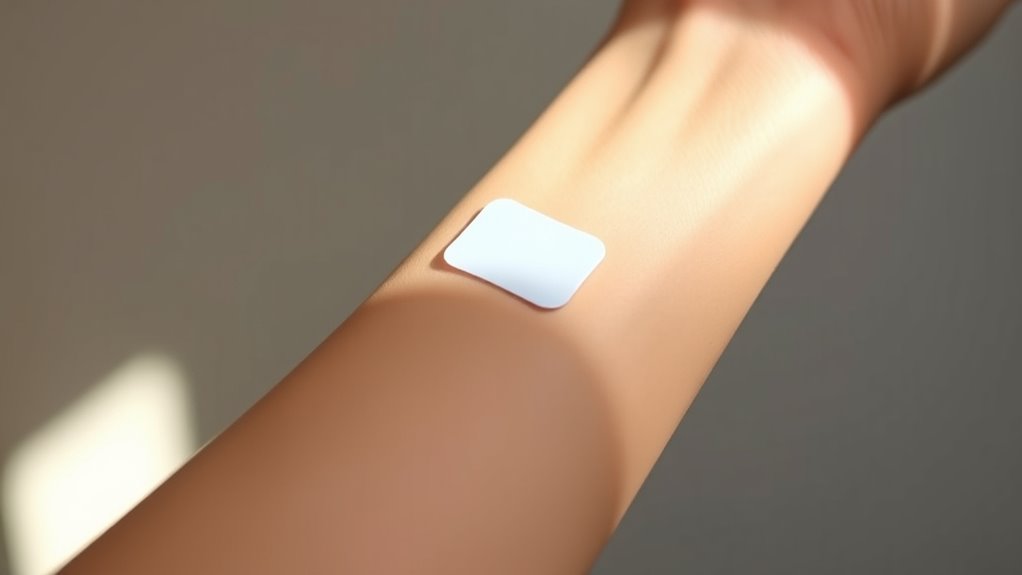
Where you place your Health Patch CBD matters just as much as how you use it. For best application techniques, apply it to clean, dry skin on areas with minimal hair and steady contact—like the upper arm, shoulder, or chest. Avoid broken, irritated, or freshly shaved skin, because absorption can vary and you may feel more sensitivity. You’ll typically leave the patch on for the product’s recommended window; most people experience duration effects that peak within a few hours and then gradually decline as the patch releases CBD. If you’re using it for the first time, monitor how you feel during the session and note any skin reactions. Remove the patch if irritation occurs, and rotate sites each use.
What Strength and Dosage to Choose for Your Goals
When you’re matching patch strength to your goals, start with the lowest dose that fits what you’re aiming to improve, since effects can vary and dosing data is still limited. Build a dosing schedule that you can stick to, then titrate gradually every few days based on symptom response and any side effects. If you take other meds, are pregnant, or have liver issues, check with a clinician before changing strength or increasing your dose.
Matching Strength To Goals
Choosing the right CBD strength starts with matching your patch dose to your specific goal—pain relief, sleep support, stress reduction, or post-workout recovery—because effects and tolerability can vary widely from person to person. Start with a careful strength assessment: consider your body size, prior CBD exposure, skin sensitivity, and any conditions that affect metabolism. Aim for goal alignment by selecting a patch strength that matches the intensity and timing you need, then reassess how you respond over days.
- For pain, choose moderate strength if you’ve had partial relief before
- For sleep, pick a strength that promotes calm without next-day grogginess
- For stress or recovery, use strength that targets your day’s symptom severity
If you’re new, it’s reasonable to start lower and prioritize comfort and safety.
Dosing Schedule And Titration
Start with a simple titration plan: most people do best choosing a patch dose that’s low enough to stay comfortable, then increasing slowly until you get the symptom relief you want. You’ll usually start with the lowest strength you can tolerate, use it on a consistent dosing frequency (often once daily or per label), and track effects for 3–7 days before changing anything. If symptoms improve, hold steady; if not, increase gradually—common titration strategies include small step-ups every week or two, guided by comfort and outcomes. Pay attention to sleep, pain, anxiety, or inflammation patterns, not just one day’s rating. If you notice side effects (fatigue, dizziness, GI upset), step back to the last tolerated dose and reassess.
How Fast Can Health Patch CBD Start Working?
How quickly can Health Patch CBD start working for you? With Health Patch CBD, you may notice effects sooner than with oral options, but timing varies by your skin, dose, and individual response. Evidence suggests cannabinoid absorption through skin can begin within hours, yet meaningful patch effectiveness often becomes clearer over a consistent wear and titration plan.
- Your first patch wear may provide early signals (calmer sensations, less tension) within 1–4 hours.
- Peak effects are often reached later, as your system continues cannabinoid absorption with ongoing wear.
- If you don’t feel much after the planned titration step, you may need a dose adjustment rather than repeating too soon.
Track symptoms day-to-day and adjust with your clinician for the most personalized results.
Do CBD Patches Absorb Better Than CBD Oils or Gummies?
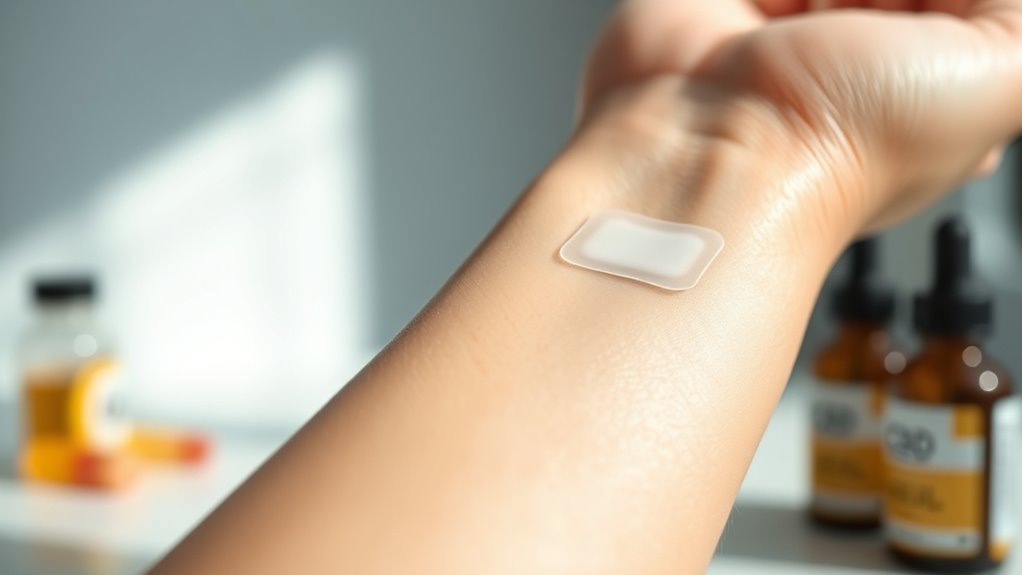
You may find CBD patches absorb through the skin more quickly than oils or gummies, especially if you’re aiming for faster onset. Because patches are designed for controlled delivery, they can provide a longer-lasting, steadier release that may help with day-to-day consistency. You may also appreciate less mess and no flavor or oil transfer, though the best choice still depends on your goals, skin sensitivity, and response.
Faster Skin Absorption
CBD patches can deliver cannabinoid more steadily through the skin, which may support faster or more consistent absorption than some oral CBD oils or gummies for certain people. If you’re chasing faster absorption, you’ll typically get a more direct route than swallowing, since oral products often face variable digestion and first-pass metabolism. With a patch, CBD diffuses across the skin barrier; your individual skin thickness, hydration, and placement can influence the rate, but studies on transdermal delivery generally suggest improved enhanced bioavailability compared with some oral forms.
- Less variability from meals and gut transit
- Skin factors (hydration, temperature, placement) affect uptake
- Consistent dosing can reduce “peaks and dips”
Longer-Lasting Steady Release
Steady, longer-lasting delivery is one of the main reasons people consider a Health Patch CBD instead of CBD oils or gummies, especially when consistent effects matter more than a rapid onset. With Health Patch’s transdermal technology, you’re designed to experience smoother cannabinoid absorption over time, rather than peaks and dips that can come with oral products. That steadier profile can better match your daily routines, whether you’re supporting stress management, sleep quality, or post-activity comfort.
| Goal | What to look for |
|---|---|
| Consistency | steady cannabinoid absorption |
| Daily use | transdermal technology delivery |
| Fewer spikes | slower, smoother release |
If you’re sensitive to variability, a patch may feel more predictable. Start with your clinician’s guidance, track your response, and adjust timing as needed.
Less Flavor And Oil Transfer
Generally, a Health Patch CBD product doesn’t rely on swallowing an oil or chewing a gummy, so you’re less likely to notice lingering taste or aftereffects. With transdermal technology, the patch is designed to deliver cannabinoids through skin at a controlled pace, which may support more consistent cannabinoid absorption than oil, where taste, GI factors, and variable metabolism can influence uptake. You’ll still want to personalize timing and dose based on skin sensitivity, concurrent meds, and your goals for symptom relief.
- Minimal flavor exposure vs oils/gummies
- Less residue on hands, lips, and teeth
- Steadier delivery may reduce “hit-or-miss” absorption
If you’re comparing options, consider your tolerance to oral products and how you respond to transdermal delivery.
What to Look for in a Health Patch CBD Label
When you’re shopping for a Health Patch CBD product, the label can tell you a lot about whether it’s likely to match your needs and risk tolerance—so it’s worth reading closely. Prioritize label transparency: look for total CBD per patch, serving size, and clear instructions for use. Check ingredient sourcing by scanning for full ingredient lists, including the patch adhesive materials and any enhancers (like menthol or botanical extracts), since these can affect comfort and sensitivity. Choose products that state whether CBD is hemp-derived, and look for batch-specific COAs (certificates of analysis) that verify cannabinoid potency and contaminants such as pesticides or heavy metals. If you’re pregnant, nursing, or on medications, compare listed concentrations to your clinician’s guidance before trying.
Common Side Effects of CBD Patches to Watch For
Even after you’ve confirmed the label details, CBD patches can still affect people differently—so it helps to know what side effects to watch for. Most effects are local, especially at the application sites, where skin reactions like redness, itching, or mild rash can occur. You may notice them within hours, and they can worsen if you ignore irritation during patch duration.
Because dosing sensitivity varies, start low and reassess. If you’re already using other products or have sensitive skin, consider a brief test area first.
- Redness, itching, or dryness where the patch sits
- Blistering or swelling suggesting allergic reactions
- Headache or fatigue after adjusting dosage sensitivity
If symptoms don’t improve or spread, stop use and seek medical guidance.
Who Should Avoid CBD Patches or Ask a Doctor First?
Before you use CBD patches, it’s smart to check whether they’re a safe fit for your body and meds—because certain people are more likely to have unwanted effects or drug interactions. You should avoid CBD patches or ask your clinician first if you’re pregnant or breastfeeding, under 18, or have liver disease. If you take blood thinners, anti-seizure meds, immunosuppressants, or sedatives, your medical interactions risk may be higher. Also be cautious if you’ve had serious allergic reactions to topical products, since patch ingredients can trigger problems.
| Situation | Why avoid/ask | What to do |
|---|---|---|
| Liver issues | CBD metabolism changes | Get liver labs advice |
| Blood thinners | Possible increased anticoagulation | Ask about monitoring |
| Antiseizure meds | Narrow therapeutic window | Confirm CBD contraindications |
| Sedatives | More sedation risk | Discuss dose timing |
| Immunosuppressants | Potential drug levels shift | Review regimen |
| Pregnancy/breastfeeding | Safety evidence limited | Choose alternatives |
Tips to Prevent Skin Irritation With CBD Patches
Skin irritation is one of the most common complaints with CBD patches, but you can often reduce your risk with smart placement and careful skin care. Start by choosing areas with minimal friction, avoid broken or recently shaved skin, and rotate sites. Pay close attention to skin sensitivity—if you’re prone to eczema or allergies, consider a patch designed for gentle, breathable patch materials.
- Clean and dry the area; remove oils that can worsen adhesion and irritation
- Use barrier cream sparingly if you’ve reacted before, but test first on a small spot
- Follow the wear time exactly; overuse increases redness and itching
If irritation persists or you develop swelling, stop use and talk to a clinician. Your best approach is individualized.
How Often Should You Use Health Patch CBD?
How often should you use a Health Patch CBD depends on your product’s specific instructions, your skin’s sensitivity, and your goals—because CBD patch effects can vary from person to person. In general, start with the manufacturer’s suggested ideal usage schedule, then adjust based on how you respond. Many people use a patch once daily, but some benefit from every other day, especially if you’re new to CBD or your skin tends to react. Track outcomes like relaxation, sleep quality, or discomfort levels for a few weeks before changing frequency recommendations. If you notice no benefit after consistent use, consider talking with a clinician rather than increasing too fast. If irritation or other side effects occur, reduce frequency or stop.
How to Store CBD Patches and Keep Them Effective
Storing your Health Patch CBD the right way matters—because exposure to heat, light, and moisture can degrade cannabinoids and reduce patch performance over time. For better patch longevity and ideal storage, keep patches in their original sealed pouch until use. Aim for a cool, dry place away from windows, bathrooms, and direct sunlight. If you travel, don’t leave patches in a hot car or near heaters.
Store Health Patch CBD sealed in a cool, dry place away from light and moisture to maintain potency and patch performance.
- Store at room temperature (about 20–25°C) when feasible
- Keep sealed to limit humidity and oxygen exposure
- Avoid freezing, which can affect materials and adhesion
Follow the label’s expiration date, and if you notice unusual odor, discoloration, or poor sticking, replace the patch. Personalized adherence—based on your environment—helps you get consistent, patient-centered results.
Common Questions
Is Health Patch CBD Legal Where I Live?
It depends where you live—so you’ll need to check local regulations and CBD legality factors in your state/country. In many places, CBD is legal only if it’s derived from hemp, has ≤0.3% THC (or stricter limits), and meets labeling/testing rules. Start by looking up your region’s cannabis agency guidance and product COA (certificate of analysis). If you tell me your location, I can help you find the specific rules.
Will CBD Patches Show up on Drug Tests?
Yes—cbd patches *can* show up on drug tests, though it’s less likely than ingestible products. Drug tests usually target THC, not CBD, but full-spectrum patches or contaminated batches can contain trace THC that, through cbd absorption methods, may accumulate. Patch effectiveness varies by product and your skin integrity, so risk isn’t zero. If you need a clean result, choose third‑party tested, THC‑free options and discuss timing with your clinician.
Can I Use Health Patch CBD With My Medications?
Yes—you can often use Health Patch CBD with medications, but only after checking possible CBD interactions with your specific drugs (like blood thinners, anti-seizure meds, antidepressants) and your clinician/pharmacist. Evidence suggests CBD can affect drug-metabolizing enzymes, so effects and side effects may change. Start low using individualized dosage recommendations, avoid changing other meds, and monitor sleep, mood, dizziness, and bleeding risk. If you’re pregnant or have liver disease, be extra cautious.
Are CBD Patches Safe for Long-Term Daily Use?
Yes—many people use CBD patches long-term daily, but safety depends on dose, product quality, and your health conditions. Evidence on long term effects is still limited; most studies are short, and results vary. For patient-centered guidance, start low, track benefits and side effects, and review your meds with a clinician. Ask about third-party testing, avoid unknown ingredients, and watch for liver strain or skin reactions. User experiences can’t replace monitoring.
Does Health Patch CBD Contain THC or Psychoactive Ingredients?
Yes—Health Patch CBD is typically formulated to be THC-free, meaning it shouldn’t contain psychoactive ingredients that cause a “high.” Still, you should verify the lab results (COA) and ingredient transparency, since formulations can vary by batch and regulations. For CBD benefits, choose products with clear cannabinoid testing showing THC below legal limits. If you’re drug-tested or sensitive, confirm with the manufacturer before daily use.
Overall
Choosing Health Patch CBD means you can enjoy a steady, skin-based delivery without the taste or digestion variability that can come with oils, capsules, or gummies. Simply apply the patch to clean, dry skin, select the strength that fits your goals, and stay consistent—because when it comes to CBD, regular use helps you get the most from your routine.
If you’re pregnant or nursing, taking medications, or have skin that’s prone to reactions, check with a clinician before use. Ready to experience a simpler way to use CBD? Make your next step today and find the right patch for you.